
Well Water Treatment in Charlotte, NC
If your home is on a private well, you’re in charge of your water quality. Wells in the more rural parts of the Charlotte area can carry iron, manganese, sulfur, sediment or acidic water, and some issues, like arsenic or bacteria, have no taste, smell or color at all.
Every well is different, so we don’t sell a one-size package. We test first, then build a treatment system that targets what your water actually has.
Free water test first
Common well water problems we treat
Iron and manganese
Orange, brown or black staining on fixtures, laundry and tile.
Sulfur (rotten-egg smell)
Hydrogen sulfide gas that makes water smell like eggs, especially in hot water.
Acidic water
Low-pH water that can leave blue-green stains and corrode copper pipes.
Sediment, hardness and bacteria
Grit, scale, and microbial concerns a lab test can reveal.
How we build a well water system
It starts with testing. Our in-home test covers the problems you can see and smell. For things that need a certified lab, like bacteria, nitrates and arsenic, we’ll tell you which lab tests make sense, through your county health department or a state-certified lab, before you spend money on equipment.
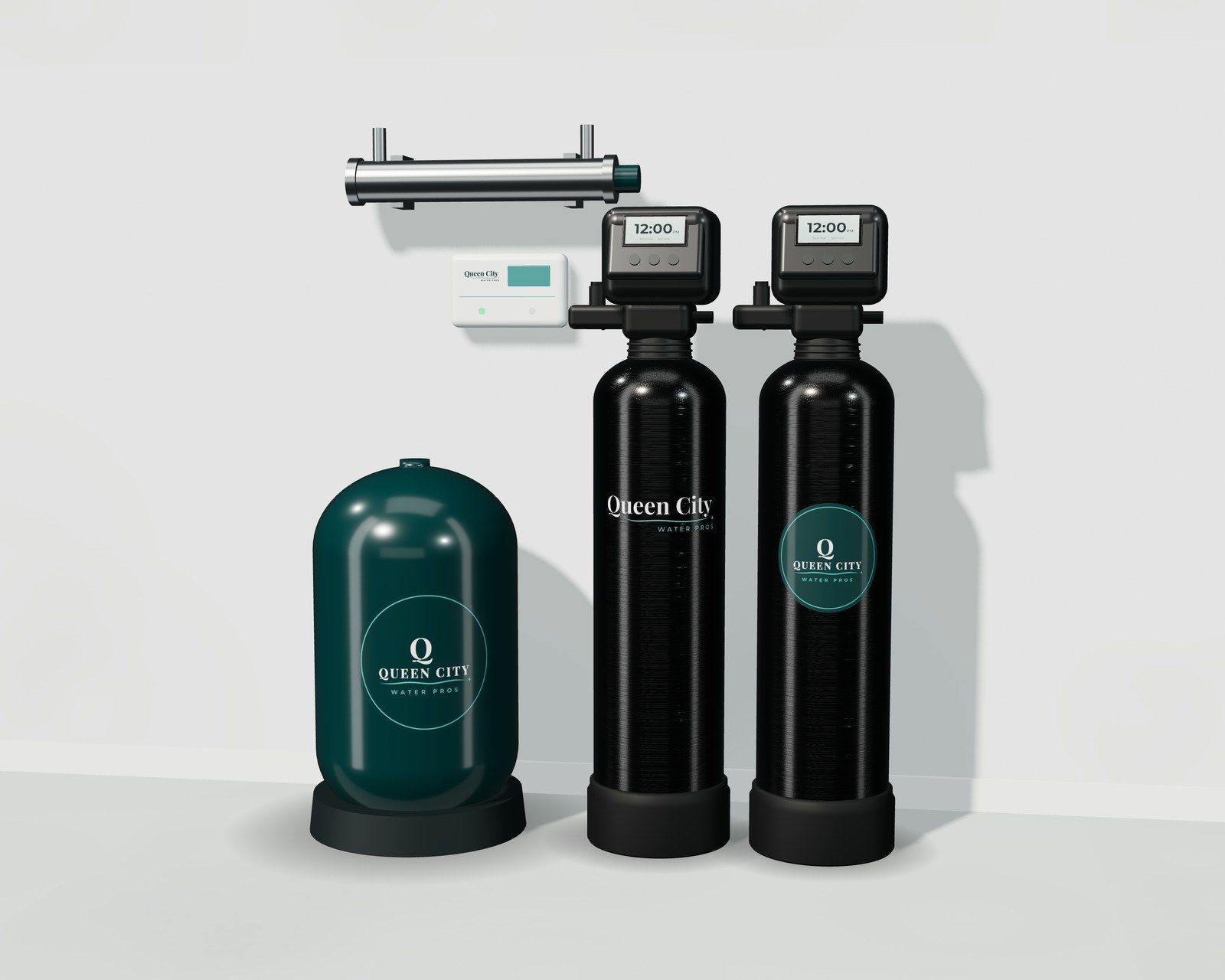
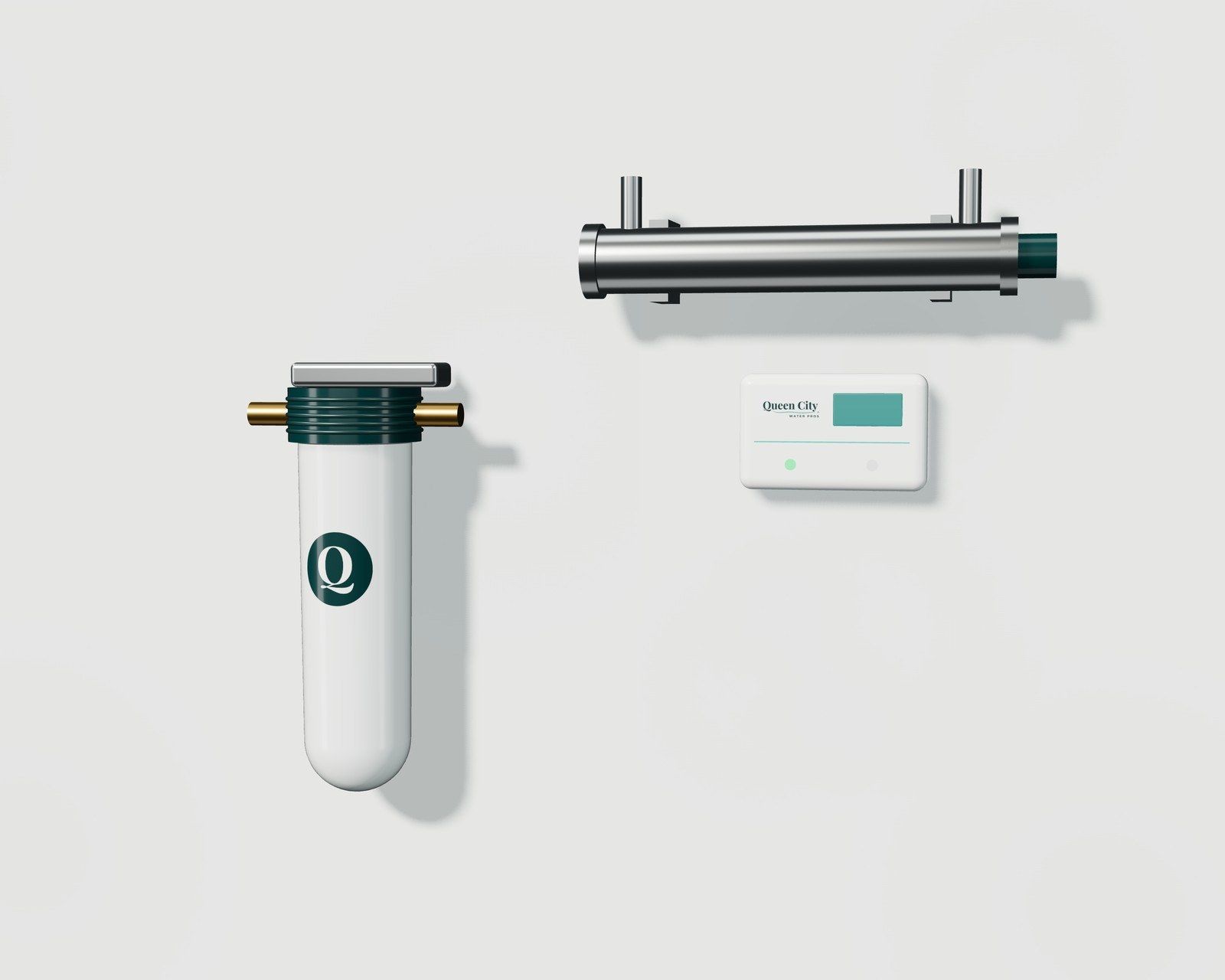
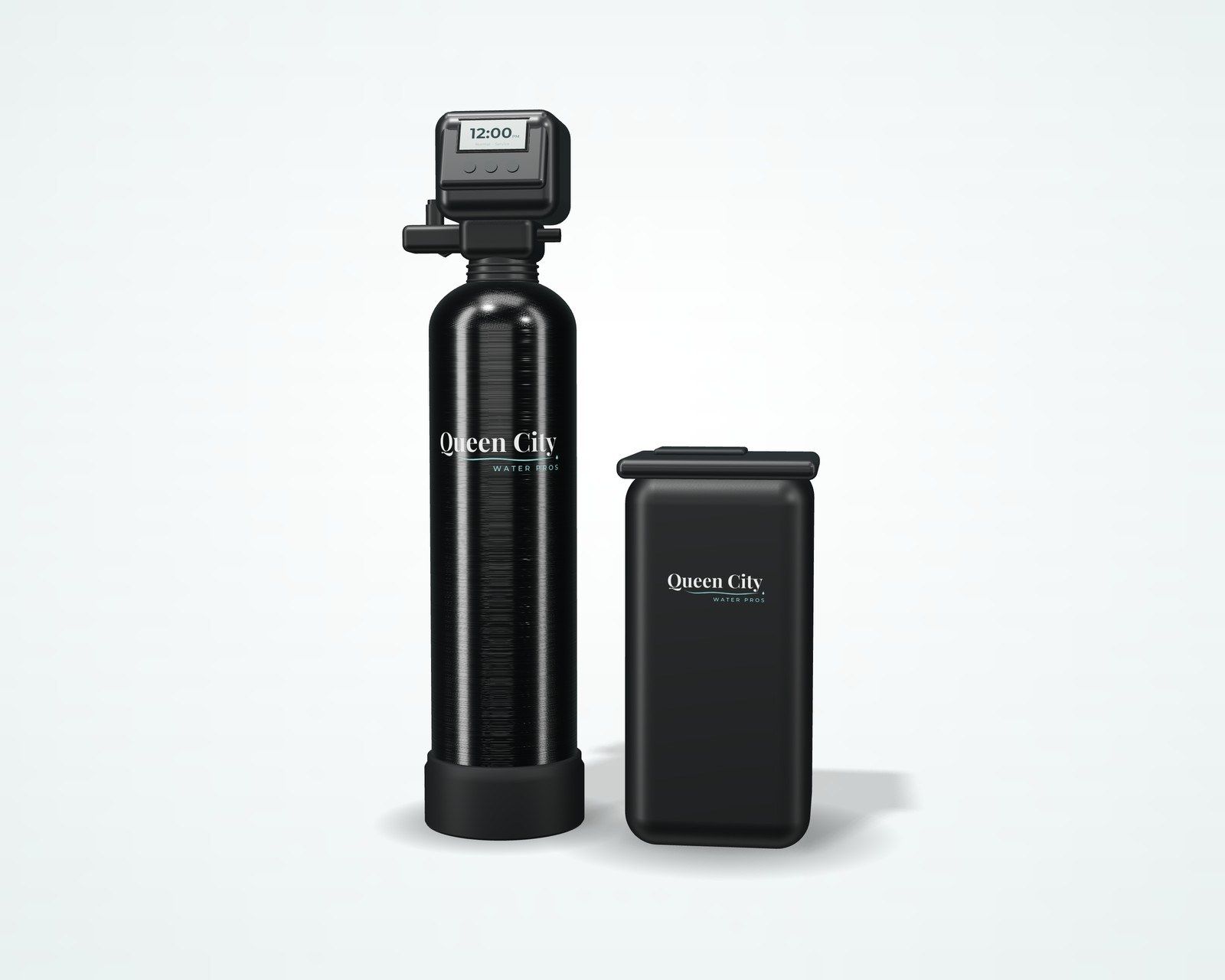
Then we design the treatment train, and the order matters. Water leaves your pressure tank and typically passes through sediment filtration, then pH correction if your water is acidic, then an iron and sulfur filter that oxidizes those problems so they can be filtered out. A softener follows if the water is hard. If bacteria are a concern, UV disinfection goes last so it treats the cleanest possible water.
Not every well needs every stage. A well with only a sulfur smell might need one filter; a well with iron, hardness and acidic water needs more.
- 1Well & pressure tankWater comes up from the well
- 2Sediment & pHGrit removed; acidic water corrected
- 3Iron & sulfur filterOxidizes and filters iron, manganese, odor
- 4Softener, then UVOnly if your test calls for them
What’s included
- In-home testing plus guidance on certified lab tests
- A treatment plan in writing with the reason for each stage
- Equipment installed after your pressure tank, with a bypass
- Drain connections for backwashing filters
- Retesting after install to confirm results
- A walkthrough and a maintenance schedule for every stage
City water or well?
City water
Different approachCity water is already disinfected by the utility. See city water treatment for chlorine taste, sediment and hardness.
Well water
Built for wellsEverything on this page is designed around private wells, from a single sulfur filter to a full multi-stage system.
Your options
Well systems are built from your results, so options scale with what your water needs.
Good
Single-problem fix
One targeted stage, such as an iron and sulfur filter or acid neutralizer.
Better
Treatment + softening
Targeted treatment plus a softener for hard well water.
Best
Complete well system
Full treatment, softening, UV disinfection and RO drinking water at the kitchen sink.
Your exact price is in writing at your free test.
Get My Free Water TestMaintenance
Maintenance & filter changes- Backwashing filters clean themselves automatically. They just need power and a working drain.
- Acid neutralizer media dissolves over time and needs topping up.
- UV lamps are replaced on the manufacturer’s schedule, usually yearly.
- The CDC recommends testing private wells at least once a year. We can help with that.
Well Water Treatment questions
Straight answers. Anything else, ask during your free test.
Have a question that isn’t here? Ask during your free test.
More questions and answersIs my well water safe to drink?
How often should I test my well?
Why does only my hot water smell like rotten eggs?
Will a water softener remove iron?
Start with a free water test and an upfront quote.
Tell us a little about your home and we’ll reach out to schedule your visit.
- Free and no obligation
- Results explained in plain English
- Written options with upfront prices
Book Your Free Water Test
Five quick fields. We’ll call or text to pick a time.