
Carbon Filtration in Charlotte, NC
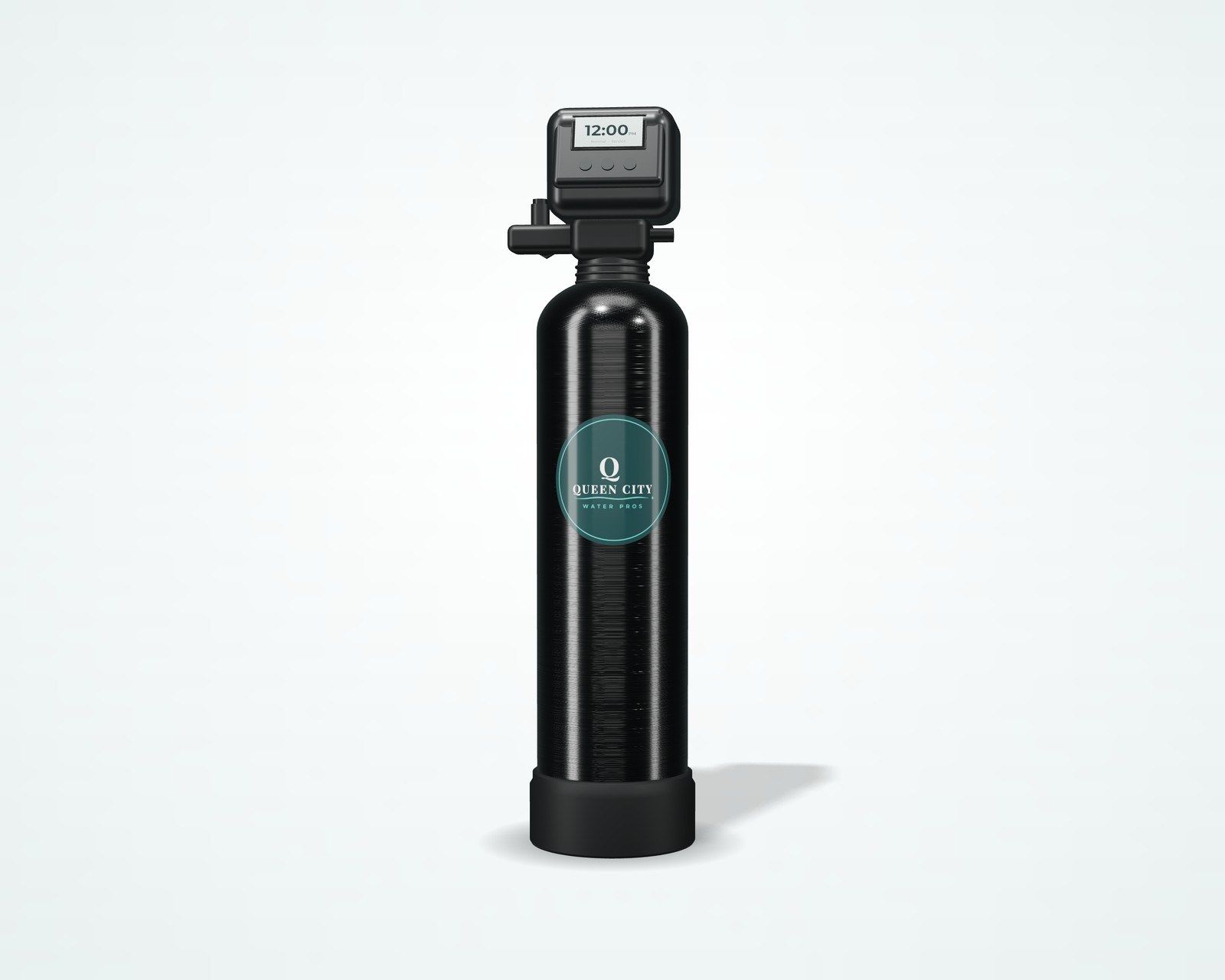
Carbon is the workhorse of home water treatment. It’s what removes chlorine taste, chloramine, odors and many chemical compounds, and it’s inside nearly every good filter, from a kitchen sink cartridge to a whole-house tank.
Not all carbon is the same, though. The type of carbon and how much of it the water touches decide what it can actually remove. We match both to your water.
Free water test first
What carbon removes, and what it doesn’t
Removes: chlorine and chloramine
Standard carbon handles chlorine; catalytic carbon is built for chloramine.
Removes: tastes and odors
Earthy, musty and chemical tastes, plus low levels of sulfur smell.
Reduces: many organic chemicals
Carbon adsorbs a range of organic compounds, depending on the media and contact time.
Doesn’t remove: hardness, fluoride or bacteria
For those you need a softener, reverse osmosis or UV.
How carbon filtration works
Carbon works by adsorption. Each granule is riddled with microscopic pores, giving it a huge amount of surface area, and many contaminants stick to that surface as water flows past.
Activated carbon is the standard type and handles chlorine and most tastes and odors well. Catalytic carbon is activated carbon that’s been processed so it also breaks down chloramine and small amounts of hydrogen sulfide. Charlotte Water uses chlorine, which either type handles. We install catalytic carbon by default so the system also covers towns whose supplier uses chloramine.
Contact time is the other half. Water needs enough time in the carbon to be treated, which is why a whole-house tank is sized to your home’s peak flow, and why small faucet filters wear out quickly.
- 1Water inFrom your main line or under the sink
- 2Carbon bedContaminants stick to the carbon’s surface
- 3Clean taste outChlorine, chloramine and odors removed
What’s included
- A free water test to choose the right carbon type
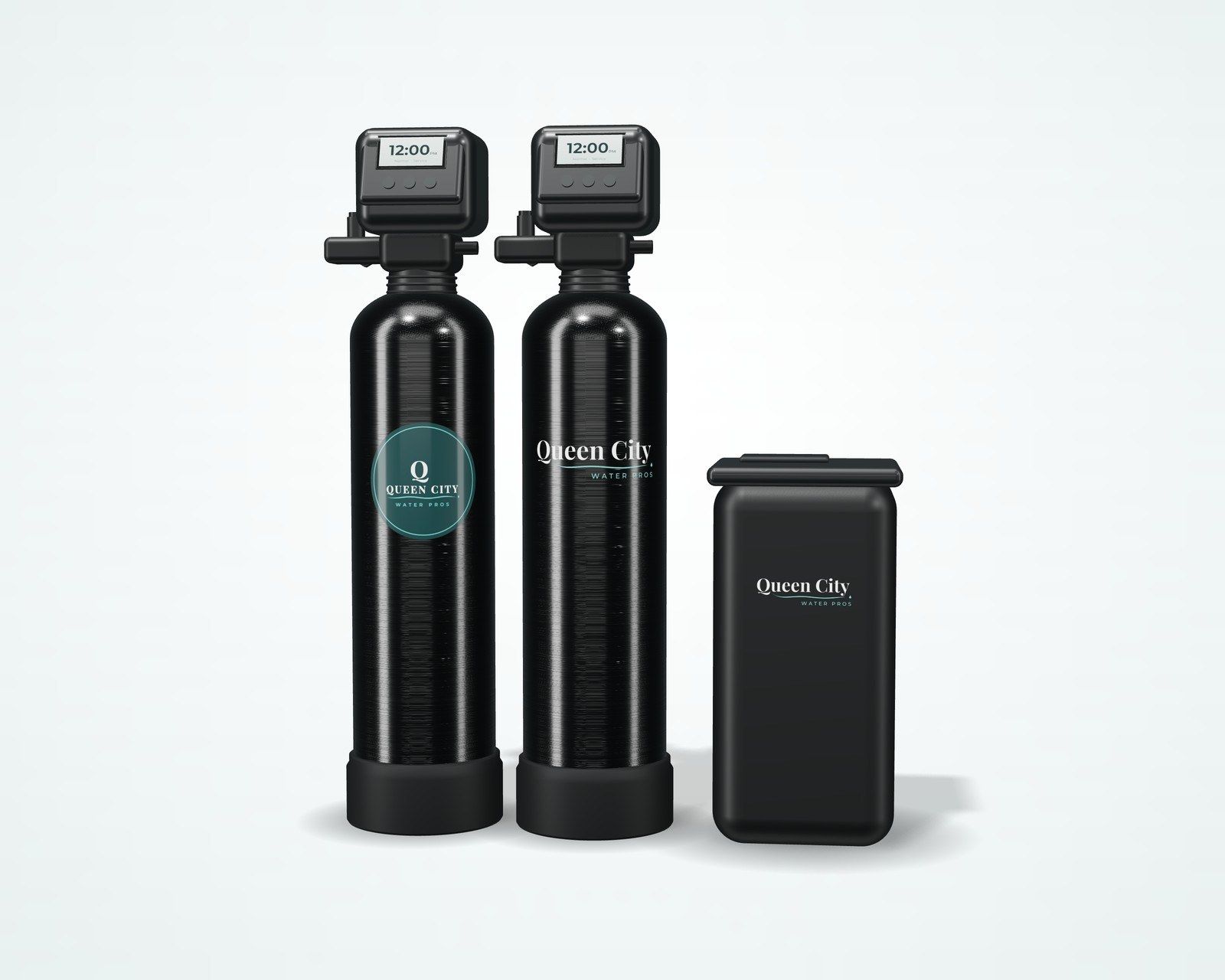
- A whole-house tank or under-sink carbon block, sized to your needs
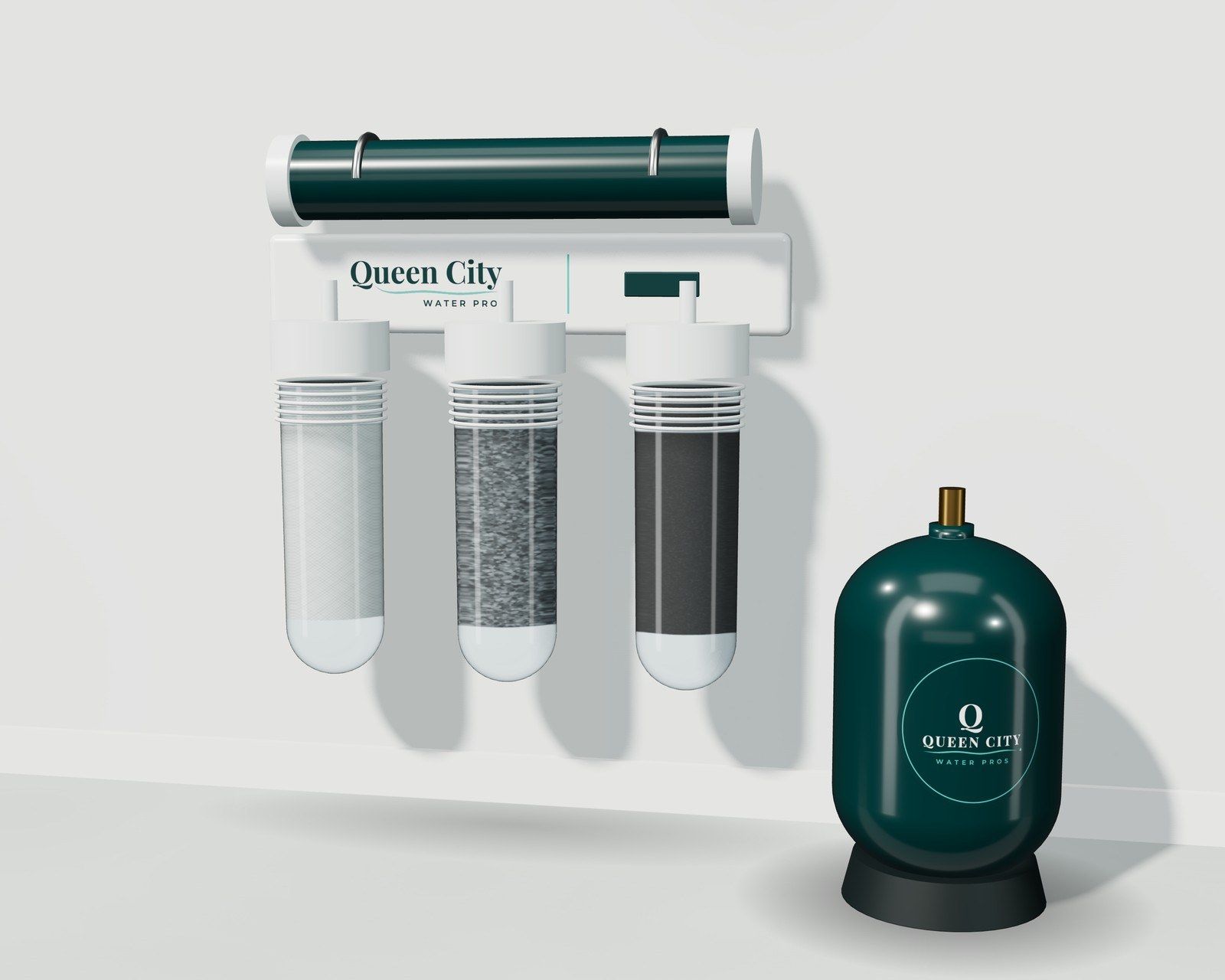
- Sediment pre-filtration to protect the carbon
- Installation with a bypass valve on whole-house systems
- Testing after install, and a written maintenance schedule
City water or well?
City water
Great fitCarbon is the standard fix for chlorine taste and smell on city water, and catalytic carbon also handles chloramine where a supplier uses it.
Well water
SometimesCarbon helps with low-level odors and tastes on a well, but iron, manganese and strong sulfur need dedicated treatment first.
Your options
From one tap to the whole house.
Good
Under-sink carbon block
Better-tasting drinking water at the kitchen sink.
Better
Whole-house carbon
Activated carbon for chlorine taste and smell at every tap.
Best
Whole-house catalytic carbon
A larger catalytic carbon tank sized to your home’s flow, with sediment pre-filtration.
Your exact price is in writing at your free test.
Get My Free Water TestMaintenance
Maintenance & filter changes- Carbon eventually fills up and stops working. It doesn’t clog, so the first sign is usually taste or smell returning.
- Under-sink carbon blocks need changing more often than whole-house media.
- Sediment pre-filters protect the carbon and should be changed on schedule.
- We can test your water after the filter to confirm it’s still doing its job.
Carbon Filtration questions
Straight answers. Anything else, ask during your free test.
Have a question that isn’t here? Ask during your free test.
More questions and answersWhat’s the difference between activated and catalytic carbon?
How do I know when the carbon is used up?
Does carbon remove fluoride?
Does carbon remove PFAS?
Start with a free water test and an upfront quote.
Tell us a little about your home and we’ll reach out to schedule your visit.
- Free and no obligation
- Results explained in plain English
- Written options with upfront prices
Book Your Free Water Test
Five quick fields. We’ll call or text to pick a time.